Ventura County Superior Court serves as the main trial court for Ventura County and operates within the statewide structure of the California Courts. It functions as a court of general jurisdiction, which means it hears a wide range of legal matters. As the superior court of California Ventura, it handles criminal, civil, family, probate, juvenile, and traffic cases. Most legal disputes in the county begin at this level. Within the court hierarchy California follows, the trial court of Ventura County stands at the foundation of the judicial system, where judges review evidence, manage trials, and issue binding decisions that affect residents, businesses, and public agencies across the county.
Ventura County Superior Court plays a central role in delivering public court services and maintaining judicial administration at the local level. It manages courtroom operations, jury selection, case filings, and clerk services across multiple courthouse locations. As part of California trial courts, it applies statewide rules adopted by the Judicial Council of California while addressing the legal needs of the community. The court resolves disputes, protects constitutional rights, and enforces state laws through formal proceedings. Through its structured divisions and organized case management system, it supports fair hearings, transparent procedures, and timely resolutions within the broader county judiciary framework.
Court Hierarchy in California
Court hierarchy California follows a clear three-tier structure that organizes judicial authority across the state. Ventura County Court is a superior court that operates at the trial court level, where most legal cases begin and end. California uses a structured state trial system that separates trial courts from appellate courts. This structure promotes fairness, consistency, and legal review at different levels of judicial authority. Each tier has a distinct role, yet all work together within the broader framework of the California judicial branch.
The Three-Tier Structure of California Courts
California’s judicial system is organized to handle cases at different levels of complexity and authority. This structure ensures fairness, consistency, and proper review across all court matters. The court hierarchy California relies on includes three main levels:
| Court Level | Primary Function | Judicial Authority Scope |
|---|---|---|
| Superior Courts | Conduct trials and hear evidence | County-level trial jurisdiction |
| Courts of Appeal | Review trial court decisions | Regional appellate review |
| California Supreme Court | Reviews major legal issues | Highest state judicial authority |
Trial Courts vs. Appellate Courts
Trial courts and appellate courts serve different functions within the state trial system. Ventura County Superior Court functions strictly as a trial court. It does not review decisions from other courts. Instead, it exercises original jurisdiction over most case types filed within the county.
Trial Courts:
- Hear witness testimony
- Review physical and documentary evidence
- Conduct jury selection
- Issue verdicts and sentences
- Handle criminal, civil, probate, and family matters
Appellate Courts:
- Review trial court procedures
- Interpret state statutes and constitutional provisions
- Decide whether legal errors occurred
- Affirm, reverse, or modify lower court rulings
Ventura County’s Role as a General Jurisdiction Court
As part of the court hierarchy California maintains, Ventura County Superior Court holds broad judicial authority. A general jurisdiction court may hear nearly all civil and criminal matters unless state law assigns the case elsewhere. Through this wide scope, the court serves as the entry point for justice within the county. It manages case flow, enforces procedural rules, and safeguards constitutional protections at the local level.
This authority includes:
- Felony and misdemeanor criminal cases
- Civil lawsuits involving significant financial claims
- Family law proceedings
- Probate and guardianship matters
- Juvenile dependency and delinquency cases
Judicial Authority Within the State System
Judicial authority flows upward through the hierarchy. Trial courts apply the law. Appellate courts interpret and refine it. The California Supreme Court provides final interpretation on state law issues. This layered system creates accountability and legal consistency. Ventura County Superior Court exercises authority granted by the California Constitution and statewide judicial administration policies. Its decisions carry binding effect within the county unless a higher court reverses them.
How to Search Ventura County Superior Court Cases
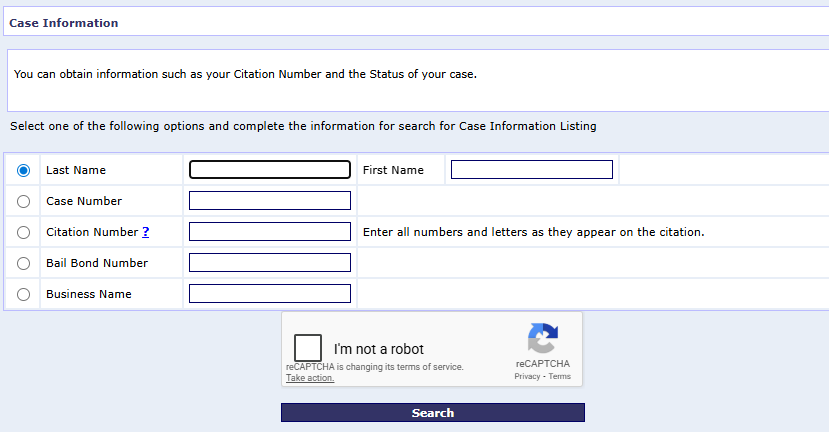
Ventura county superior court case search can be completed through the official Online Services page provided by the Superior Court of California in Ventura County. Users can perform an online case search by name, case number, or citation number using the court’s public Case Inquiry system. This portal connects users to public court records lookup tools for civil, criminal, family, probate, small claims, and traffic cases. The official Online Services page is: https://ventura.courts.ca.gov/online-services
Visit the Official Online Services Page
- Open your web browser.
- Go to: https://ventura.courts.ca.gov/online-services
- Locate the Case Inquiry section.
Click “Case Inquiry”
Inside the Online Services page:
- Select Case Inquiry.
- Choose the appropriate case database.
Choose the Correct Case Category
Choosing the correct category improves search accuracy and reduces unrelated results. Select the database that matches your case:
Civil, Probate & Small Claims
Use this section for:
- Contract disputes
- Personal injury cases
- Estate matters
- Small claims filings
Family Law
Use this for:
- Divorce cases
- Child custody matters
- Support cases
Criminal & Traffic
Use this for:
- Felony cases
- Misdemeanors
- Traffic citations
How to Perform an Online Case Search
To perform an online case search, visit the Ventura County Court website and navigate to the case search portal. Enter accurate details such as the party’s full name, case number, or filing date to ensure precise results.
Search by Name
A name search works best if you do not know the case number.
Steps:
- Enter the first and last name exactly as filed.
- Use correct spelling.
- Select case type if prompted.
- Click Search.
Search by Case Number
A case number search gives the most accurate result. This method works well for attorneys, litigants, and anyone tracking a specific court docket search.
Steps:
- Enter the complete case number.
- Include all letters and numbers.
- Click Search.
Search Traffic Cases by Citation Number
This method helps drivers confirm hearing dates or payment details. For traffic matters:
- Enter your citation number.
- Click Search.
- Review fine amount and court status.
If the Case Does Not Appear Online
Some older or confidential cases may not appear in the online database. Public terminals are available for on-site court docket search.
In-Person Records Request
Visit the clerk’s office at the courthouse in Ventura County. Bring:
- Valid photo ID
- Case number or party name
- Payment for copies
Jurisdiction & Case Types Handled
A general jurisdiction court has the legal authority to hear a wide range of case types at the trial level. The trial court of Ventura County exercises this broad authority by handling civil, criminal, family, probate, juvenile, and traffic matters under one unified court system. The trial court of Ventura County, formally known as the Superior Court of California in Ventura County, serves as the primary forum where disputes are filed, evidence is presented, and judgments are entered. As part of the statewide structure overseen by the California Courts, it processes thousands of filings each year across multiple court divisions. Its general jurisdiction allows judges to hear both simple and complex matters, from small claims disputes to felony trials.
Civil Division
The Civil Division manages civil cases involving disputes between private parties, businesses, or government agencies. These cases focus on financial compensation, property rights, or contract enforcement rather than criminal penalties. The court handles both limited civil cases and unlimited civil cases involving larger claims. Civil litigation follows structured procedures that include pleadings, motions, discovery, settlement conferences, and trial.
Common civil matters include:
- Personal injury claims
- Breach of contract lawsuits
- Property damage disputes
- Landlord-tenant cases
- Employment-related claims
Small Claims
The Small Claims unit provides a simplified process for resolving lower-value disputes. It is designed to be accessible to individuals without legal representation, making it easier for residents to pursue or defend claims. Attorneys do not represent parties during hearings. Judges issue decisions after reviewing testimony and evidence on the same day in many cases. This streamlined approach helps reduce delays and ensures quicker resolution compared to traditional civil court procedures.
Criminal Division
The Criminal Division oversees criminal cases filed by the District Attorney. These cases involve alleged violations of California law. A felony case may include serious offenses such as burglary or assault. Misdemeanor cases often involve lesser violations. Judges protect constitutional rights throughout the process, including the right to counsel and the right to trial. The division handles:
- Felony charges
- Misdemeanor offenses
- Arraignments
- Preliminary hearings
- Jury trials
- Sentencing proceedings
Family Law Division
The Family Law Court addresses legal matters involving domestic relationships. It provides support and guidance to individuals navigating divorce, custody, and support issues. These cases often involve ongoing court supervision and post-judgment modifications. Judges evaluate the best interest of the child in custody disputes. Court orders may change over time if circumstances shift.
Key family law matters include:
- Divorce (dissolution of marriage)
- Child custody and visitation
- Child support
- Spousal support
- Domestic violence restraining orders
Probate & Estate Division
The Probate Court manages estate administration and protective proceedings. It ensures legal compliance and fairness in managing a deceased person’s estate. When a person passes away, the court supervises asset distribution and validates the will. Probate proceedings protect heirs, beneficiaries, and creditors. Judges may appoint executors or administrators to manage estate responsibilities.
This division handles:
- Wills and estate distribution
- Intestate succession cases
- Guardianships
- Conservatorships
- Trust disputes
Juvenile Cases
The Juvenile Court addresses matters involving minors. It emphasizes rehabilitation, protection, and support rather than punishment. Juvenile proceedings focus on rehabilitation and safety rather than punishment alone. Court hearings often remain confidential to protect minors.
These cases fall into two primary categories:
- Delinquency cases – When a minor faces allegations of criminal conduct.
- Dependency cases – When child welfare agencies file petitions for child protection.
Traffic & Infractions
The court also handles traffic violations and non-criminal infractions. It ensures that motorists comply with California traffic laws and safety regulations. Defendants may pay fines, attend traffic school, or request a court hearing. Some infractions do not require a court appearance unless contested.
These cases include:
- Speeding tickets
- Driving without insurance
- License violations
Broad Authority Within One Court
As a general jurisdiction court, the trial court of Ventura County consolidates many legal matters into one unified structure. This system promotes consistent case management, judicial oversight, and procedural fairness. Through its civil, criminal, probate, family law, juvenile, and traffic divisions, the court serves as the entry point for most legal actions within Ventura County. Its wide jurisdiction reflects the central role trial courts play in California’s state judicial system.
How to Request Certified Court Records
The Superior Court in Ventura County provides structured document retrieval services through its Records Division. Certified copies carry legal weight in state and federal proceedings. These records serve legal purposes such as appeals, background verification, immigration filings, estate administration, and government submissions. Standard photocopies do not include the authentication language or embossed seal required for formal use. Requesters must provide accurate case details to prevent delays or rejected submissions.
Identify the Exact Document
Clear document identification helps court staff locate records faster. Older case files may be stored in archives, which can extend retrieval time. If the case number is unknown, the court may charge a search fee to locate the file manually. Precise information reduces processing time and avoids additional costs. Before submitting a request, gather:
- Full case number
- Case name (party names)
- Type of document (judgment, minute order, complaint, etc.)
- Filing date, if known
Submit Your Request
You may request certified records in three ways:
In Person
Visit the Clerk’s Office at the courthouse to request records or obtain assistance. Provide case information and a valid photo ID to verify your identity. Staff can guide you on available documents, filing procedures, and any applicable fees. You may also receive instructions on submitting formal requests or obtaining certified copies. Visiting in person ensures immediate clarification of questions and access to resources that may not be fully available online.
By Mail
In-person requests often process faster if the file is readily available. Mail requests require complete payment before processing begins. Always verify mailing instructions on the official court website to confirm no updates have occurred. Mail a written request including:
- Your contact information
- Case number
- Document description
- Check or money order for fees
- Self-addressed stamped envelope
Mail requests to:
Records Division
800 South Victoria Avenue
Ventura, CA 93009
Fees for Certified Court Records
Fees vary depending on document length and certification needs. Typical costs include:
- Per-page copy fee (set by court schedule)
- Certification fee (per document)
- Search fee if case number is unknown
The following fees reflect standard statewide court record copy fees applied by California superior courts, including Ventura County. Fees may change based on statutory updates. Users should verify current amounts on the official court website before submitting payment.
Court Record Copy Fees
| Service Type | Fee (Approximate Standard) |
|---|---|
| Copy of court record (per page) | $0.50 per page |
| Certified copy (per document) | $40.00 certification fee |
| Exemplified copy | $50.00 per certification |
| Records search (no case number provided) | $15.00 per name, per year searched |
| Appeal record preparation (varies) | Based on transcript length |
Processing Timeline
Processing time depends on record age, archive storage location, and request volume. Older files stored offsite require additional retrieval time.
| Request Type | Estimated Processing Time |
|---|---|
| In-person copy (recent case) | Same day or 1–2 business days |
| Certified copy (standard case) | 3–7 business days |
| Archived case retrieval | 7–15 business days |
| Mail request (including delivery) | 7–14 business days total |
Clerk Office Contact
Clerk staff can confirm availability, estimated fees, and acceptable payment methods. Office hours vary by courthouse location. Calling ahead may save time if you plan to appear in person. For questions regarding document retrieval or court archive access, contact the Clerk’s Office through the official site: https://ventura.courts.ca.gov
Filing a Case in Ventura County Superior Court
File a case ventura county superior court requires submitting proper forms, paying filing fees, and following court filing procedures established under California law. The trial court of Ventura County accepts filings for civil, family, probate, and other matters through both in-person and electronic systems. The court operates within the statewide framework managed by the California Courts. Each division maintains specific procedural requirements and deadlines. Filers must use approved Judicial Council forms and comply with formatting standards. Missing documents or incorrect fees may result in rejected filings.
Civil Filing
Civil filings include lawsuits for money damages, contract disputes, property claims, or injunctions. Civil cases may qualify for fee waivers if income requirements apply. Filing fees vary depending on the amount demanded in the complaint. After filing, the court assigns a case number and schedules deadlines for responsive pleadings. Parties must follow service rules carefully to avoid dismissal.
Basic Civil Filing Steps:
- Prepare complaint and required forms.
- File documents with the Clerk’s Office.
- Pay filing fees based on claim amount.
- Serve defendant with filed documents.
- File proof of service.
Criminal Filing
Criminal cases begin when the District Attorney files a complaint. Private parties do not file felony charges directly. Law enforcement agencies typically submit reports to the prosecutor before charges are filed. The Clerk’s Office assigns a case number and courtroom. The court then sets bail, hearing dates, and pretrial procedures based on the charges filed.
Steps in criminal filing:
- Prosecutor submits formal charges.
- Court schedules arraignment.
- Defendant appears before judge.
Family Court Filing
Family law filings include divorce, custody, support, and restraining orders. Family filings require mandatory financial disclosures in many cases. Custody matters may involve mediation before a judge issues orders. Temporary orders can be requested for support or restraining relief pending a full hearing.
Steps:
- Complete required Judicial Council forms.
- File petition with Clerk’s Office.
- Pay filing fees.
- Serve opposing party.
- Attend scheduled hearings.
Probate Filing
Probate filings involve estate administration, conservatorships, and guardianships. The court reviews the petition and confirms appointment of an executor or administrator. Probate proceedings may require inventory reports and accounting submissions. Multiple hearings may occur before estate distribution concludes.
Steps:
- File petition for probate.
- Submit original will if available.
- Pay filing fee.
- Provide notice to heirs and beneficiaries.
- Attend court hearing.
E-Filing
Ventura County Superior Court supports electronic filing for many civil and family cases. Electronic filing allows submissions outside regular business hours. The system timestamps documents upon receipt. If the clerk rejects a filing, the filer receives notice to correct and resubmit documents.
E-Filing Process:
- Create account with approved electronic filing service provider.
- Upload completed court forms in PDF format.
- Pay filing fees electronically.
- Receive confirmation of submission.
- Await clerk acceptance notification.
Court Administration & Judicial Authority
Ventura County Superior Court exercises judicial authority to hear cases, apply California law, and issue enforceable rulings. This power derives from the California Constitution and state statutes and operates through structured court administration and leadership. The court functions under statewide oversight from the Judicial Council of California. Judges preside over civil, criminal, probate, juvenile, and family law cases. Their decisions are binding within the county unless modified on appeal, ensuring due process and consistency across California’s judicial system.
Court Leadership Structure
Court leadership begins with the Presiding Judge, who oversees judicial assignments, courtroom distribution, and internal policy direction. The Presiding Judge sets administrative priorities and monitors case flow across divisions.
- The Assistant Presiding Judge supports coordination across departments and helps manage operational planning. Supervising judges lead specialized divisions such as criminal, civil, probate, and family law, maintaining authority over hearings, trial calendars, and judicial scheduling.
- The Court Executive Officer directs non-judicial operations. The CEO manages court staff, financial administration, human resources, facilities, and technology infrastructure. This leadership model separates judicial decision-making from administrative management, promoting accountability and operational clarity.
Administrative Governance
Administrative teams at Ventura County Superior Court manage filings, maintain official records, and coordinate hearing schedules. Case management systems track deadlines, motions, and trial dates, while jury services handle summons and panel reporting. Budget oversight ensures adequate staffing, courthouse maintenance, and technology upgrades. E-filing platforms, digital records, and public portals streamline operations. The Presiding Judge and Court Executive Officer monitor performance, workloads, and compliance. Internal protocols govern records retention, courtroom security, and procedural safeguards, creating a governance framework that ensures transparency, efficiency, and consistent court operations.
Court administration covers:
- Case flow management
- Clerk services
- Jury operations
- Budget oversight
- Technology systems
Policy Oversight & Statewide Standards
The Judicial Council of California establishes statewide policies that guide trial courts across the state. Ventura County Superior Court follows these uniform standards while applying local administrative practices. Judicial authority ventura county functions within this statewide policy structure. Local courtroom decisions reflect broader statutory requirements and ethical obligations. Through defined leadership roles and structured governance, the court maintains institutional stability, public accountability, and lawful adjudication.
Policy oversight includes:
- Adoption of California Rules of Court
- Ethical standards for judges
- Technology modernization initiatives
- Public service accessibility programs
Online Services & Public Access
Ventura county superior court online services provide digital tools that allow the public to interact with the court system remotely. These platforms support transparency, improve efficiency, and expand public records access to court information. The Superior Court in Ventura County delivers online services through its official website as part of the broader California Courts network. Many services remain available 24 hours per day, giving users flexibility outside normal courthouse hours.
Jury Duty Portal
Prospective jurors complete qualification questionnaires online. The portal reduces in-person visits and phone inquiries. It provides reporting status updates during trial weeks and allows deferral requests based on eligibility criteria. The Jury Services portal allows residents to:
- Check jury reporting instructions
- Confirm reporting dates
- Request deferrals
- Update contact information
Remote Appearance
Remote hearings take place through secure video platforms approved by the court. Participants must follow published instructions, log in on time, and confirm identity. Virtual appearances reduce travel time and support scheduling flexibility. The court permits remote participation in many proceedings. Attorneys and litigants may appear virtually for:
- Status conferences
- Case management hearings
- Traffic matters
- Certain civil proceedings
Traffic Ticket Payment
The online payment system allows users to resolve eligible traffic infractions without visiting the courthouse. Users enter citation or case number to retrieve the case record. The system calculates eligible payment amounts and confirms transaction receipts electronically.
Features include:
- Secure traffic ticket payment
- Fine balance lookup
- Traffic school eligibility review
Calendar Lookup & Case Information
Attorneys, litigants, and witnesses use this feature to verify appearance details before attending court. Updated schedules improve preparation and reduce missed appearances. The online calendar lookup tool helps users confirm:
- Courtroom assignment
- Hearing dates
- Scheduled times
Jury Duty Information
Ventura county jury duty requires eligible residents to serve as jurors when summoned by the Superior Court. Jury service allows community members to participate directly in the justice system by deciding facts in civil and criminal trials. The Superior Court in Ventura County operates its jury program under the broader structure of the California Courts. Jurors play a central role in ensuring fair trials and impartial verdicts. Each year, thousands of residents receive a juror summons requiring them to report for potential service.
Who Qualifies for Ventura County Jury Duty?
Certain individuals may be disqualified based on felony convictions or mental incapacity. The court reviews eligibility through the juror qualification questionnaire included with the summons. To meet jury service requirements, a person must:
- Be at least 18 years old
- Be a U.S. citizen
- Be a resident of Ventura County
- Be able to understand English
- Not be currently serving on another jury
How to Respond to a Juror Summons
If the reporting date creates hardship, jurors may request a postponement. Most people can defer service once to a later date within the allowed time frame. Requests must follow the court’s published procedures. Failure to respond to a summons may result in penalties or a court notice. When a summons arrives:
- Read the instructions carefully.
- Complete the juror qualification form online or by mail.
- Confirm your reporting status through the jury portal or phone system.
Payment & Employer Information
Jurors receive daily compensation after the first day of service, unless employed by a government agency that continues regular salary. The court provides a modest per-day payment and mileage reimbursement for travel. Employers must allow time off for jury duty. State law protects employees from termination or retaliation due to jury service. Jurors should confirm workplace policies regarding pay during service.
What to Expect During Jury Service
On the reporting day:
- Check in at the courthouse.
- Watch an orientation presentation.
- Wait for possible courtroom assignment.
Locations & Courthouses
If you’re searching for where is Ventura County courthouse located, the Ventura County Superior Court and its branch facilities serve communities across the county. Ventura County Superior Court operates multiple courthouses that handle specific case types and provide a range of services including filings, hearings, clerk assistance, jury services, and public record access.
Main Courthouse
Ventura County Superior Court
800 South Victoria Avenue
Ventura, CA 93009
Hours: Monday–Friday, usually 8:00 a.m.–4:00 p.m. (hours vary by department)
Juvenile Courthouse
This branch is often referred to as the Oxnard Courthouse and focuses on juvenile matters such as:
- Juvenile delinquency cases
- Dependency and child welfare hearings
- Other youth-related proceedings
Location:
Ventura County Juvenile Court
4353 East Vineyard Avenue
Oxnard, CA 93036
Hours: Monday–Friday, typical business hours for in-person services.
Simi Valley East County Courthouse
Location:
3855-F Alamo Street
Simi Valley, CA 93063
Hours: Often Monday–Tuesday, 8:00 a.m.–4:30 p.m.
What Departments Are Handled Where
| Courthouse Location | Typical Departments |
|---|---|
| Ventura Hall of Justice | Civil, Criminal, Family, Probate, Traffic, Small Claims |
| Oxnard Juvenile Courthouse | Juvenile delinquency, dependency hearings |
| East County Courthouse | Traffic infractions, small claims, limited civil |
Frequently Asked Questions
If you’re searching for quick answers about court procedures, case lookup, filings, or courthouse locations, this FAQ section provides clear and direct responses. These questions reflect common conversational searches people use online. Each answer is structured to provide concise yet complete information about the Ventura County Superior Court and its services.
How do I find a case in Ventura County Superior Court?
To search for a case in the Ventura County Superior Court, use the official online case search system available on the court’s website. You can look up cases by party name or case number. The system provides public access to case status, hearing dates, and limited docket details. Make sure the spelling of names is accurate for better results. If records are not available online, visit the appropriate courthouse clerk’s office for assistance. Some older, sealed, or confidential records may require in-person requests and valid identification to access full documentation.
Where is Ventura County courthouse located?
Ventura County courthouse locations depend on your case type and assigned department. The main courthouse, Ventura Hall of Justice, is located at 800 South Victoria Avenue in Ventura, California. Additional courthouses operate in Oxnard and Simi Valley for regional access. Each facility handles specific divisions such as criminal, civil, family law, probate, or traffic matters. Always review your court notice to confirm the correct address before appearing. Arriving at the proper trial court of Ventura County location ensures you meet your scheduled hearing without unnecessary delays or rescheduling issues due to attendance at the wrong courthouse.
What cases does Ventura County Superior Court handle?
The Ventura County Superior Court operates as a general jurisdiction trial court handling a broad range of legal matters. It hears civil disputes, criminal felony and misdemeanor cases, family law proceedings, probate and estate matters, juvenile cases, small claims, and traffic infractions. Judges oversee trials, evidentiary hearings, and settlement conferences. Some departments focus on domestic violence restraining orders, guardianships, conservatorships, and complex civil litigation. Case assignments are determined by subject matter and courthouse location. Reviewing filing guidelines and department rules ensures that your case is submitted to the correct division for proper processing.
How do I request certified court records in Ventura County?
To obtain certified court records in Ventura County, submit a request through the clerk’s office where your case was filed. Provide the case number, full party names, and specify the documents needed. Certified copies require payment of statutory fees, including per-page copy charges and a certification fee. Requests may be made in person or by mail, depending on availability. Processing times vary based on court workload and record type. Some documents may be restricted or sealed, requiring additional authorization. Always verify current fees, acceptable payment methods, and mailing instructions before submitting your request.
How do I file a case in Ventura County trial court?
To file a case in Ventura County trial court, determine the correct case type such as civil, family, probate, or small claims. Complete the required California Judicial Council forms and prepare supporting documents. Filing can be completed in person at the clerk’s office or electronically through the court’s e-filing system if available for your case type. Pay the required filing fees at the time of submission. After filing, you will receive a case number and hearing date if applicable. Proper service of documents on the opposing party is required before the court can proceed with your matter.